01. Executive Summary
TorZon Market is a decentralized hidden service deployed natively within the anonymous routing network. Established to facilitate the exchange of digital goods and services, the platform places a strict emphasis on cryptographic security and user anonymity. By relying heavily on public key cryptography and specialized cryptocurrency routing, it operates as a self-contained ecosystem designed to resist surveillance and localized network disruptions.
Observers note that the platform distinguishes itself through a custom-built infrastructure, prioritizing minimal data retention and strict execution of transactional protocols over legacy user interface paradigms.
02. Historical Timeline
Inception & Core Routing
Initial deployment of the platform onto the network. The early architecture focused on establishing stable rotational addressing and basic public key (PGP) integration for communication.
Multisignature Integration
Upgrades to the transactional framework introduced native n-of-m multisignature support. This pivotal shift reduced trust requirements on central servers, altering the fundamental flow of platform operations.
Walletless XMR Paradigm
Transition towards a fully walletless operational model, exclusively utilizing XMR (Monero). This minimized the attack surface by eliminating internal hot wallets.
03. Technical Architecture
Cryptographic Framework
-
Mandatory PGP Enforcement
Communications, dispute resolutions, and addressing formats demand forced 4096-bit RSA encryption. Unencrypted data transmission is systematically rejected by the system logic.
-
Escrow & Multisig
Transactions default to robust escrow systems. Advanced participants utilize 2-of-3 multi-signature protocols, ensuring funds require consensus before final release.
Currency & Privacy
-
XMR Exclusive Support
To counter blockchain heuristics, the platform heavily biases towards Monero (XMR). Ring signatures and stealth addresses form the bedrock of financial obfuscation on the platform.
-
Walletless Direct-Pay
By eliminating on-site balances, the risk profile of the platform is drastically reduced. Funds transit directly between participating entities upon cryptographic authorization.
04. Platform Interface Preview
Archival captures of the structural layout and user interface logic employed by the ecosystem. Data recorded for heuristic analysis.
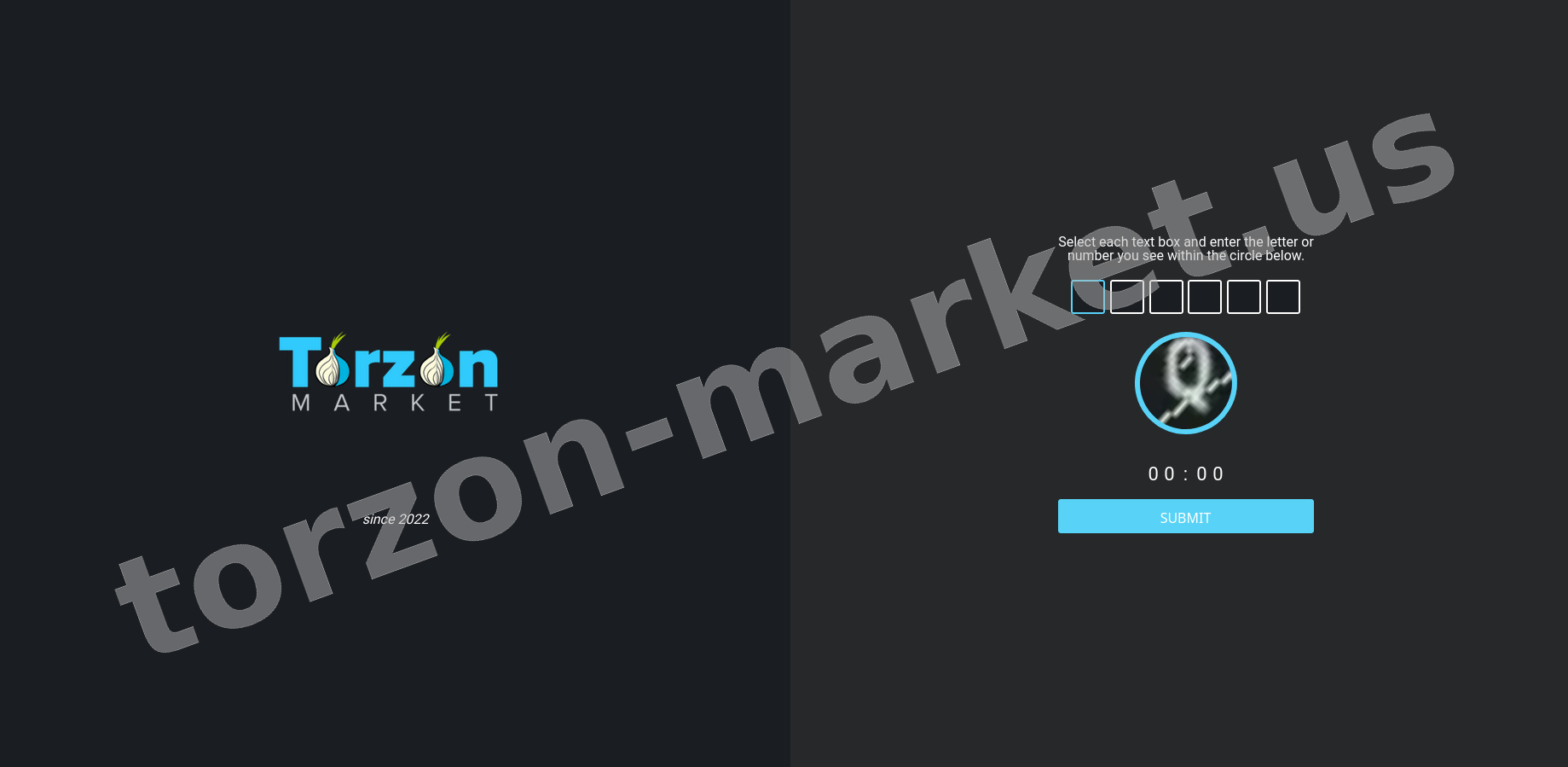
Fig 1. DDoS Protection Screen
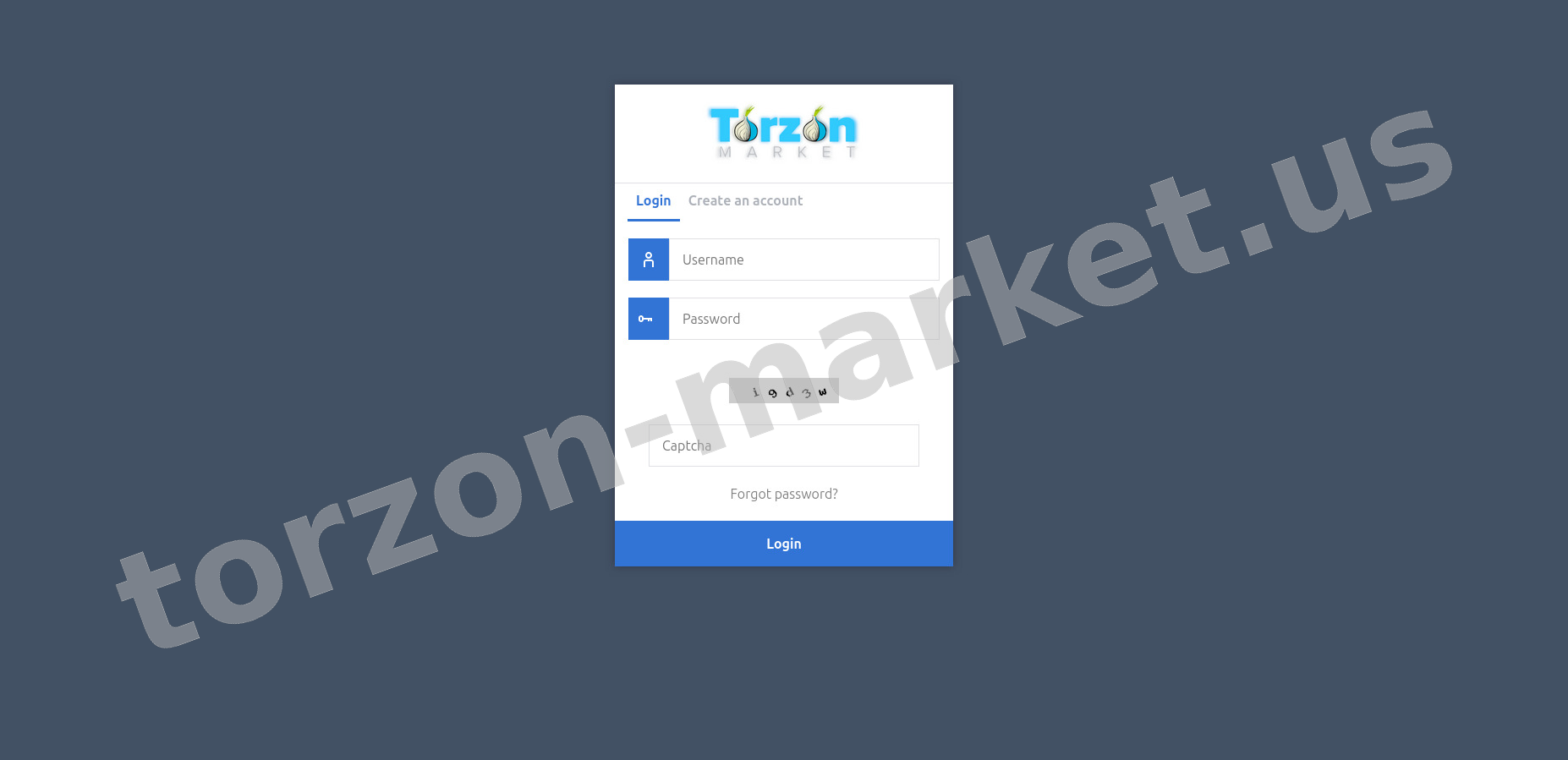
Fig 2. User Login Interface
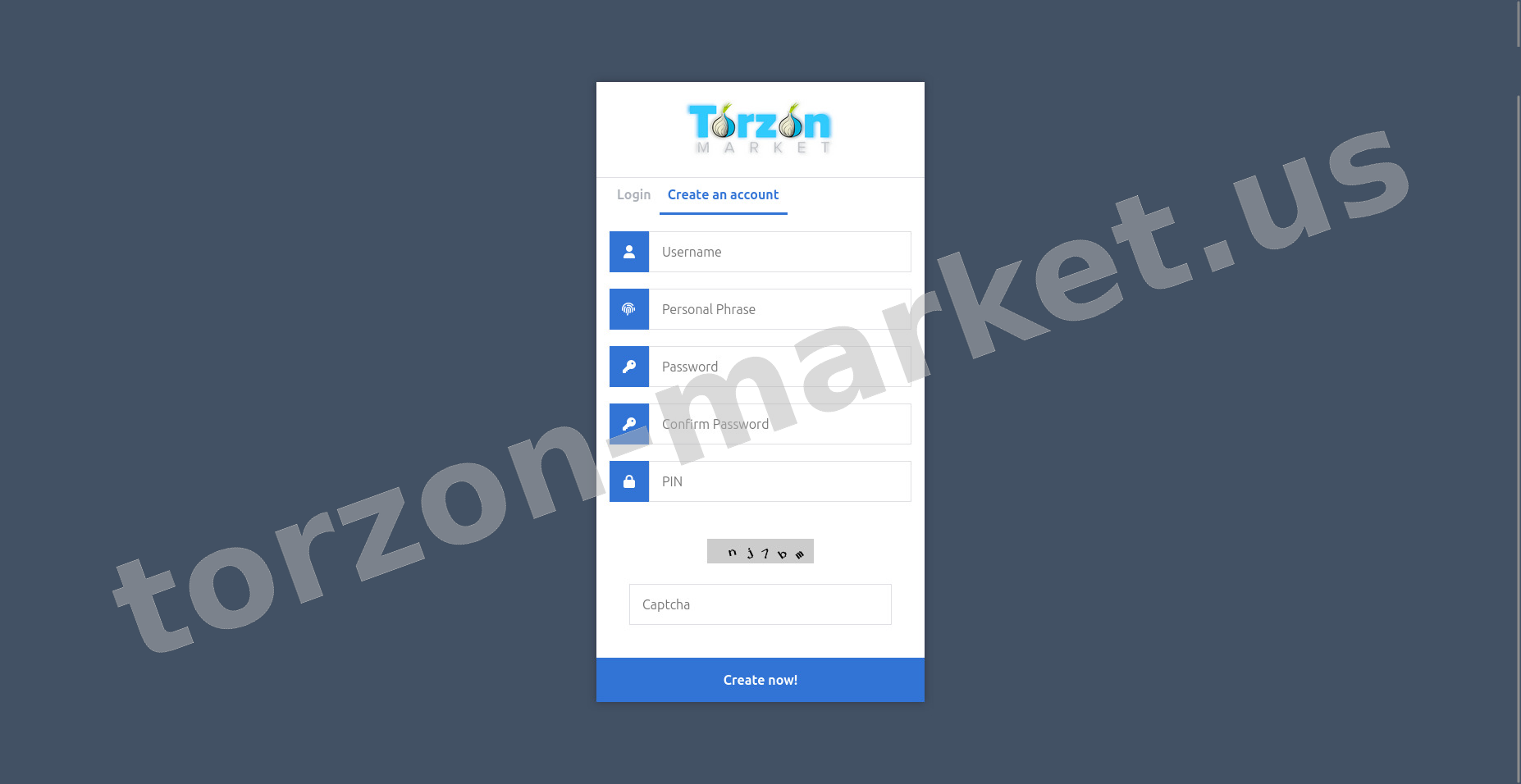
Fig 3. Account Registration Page
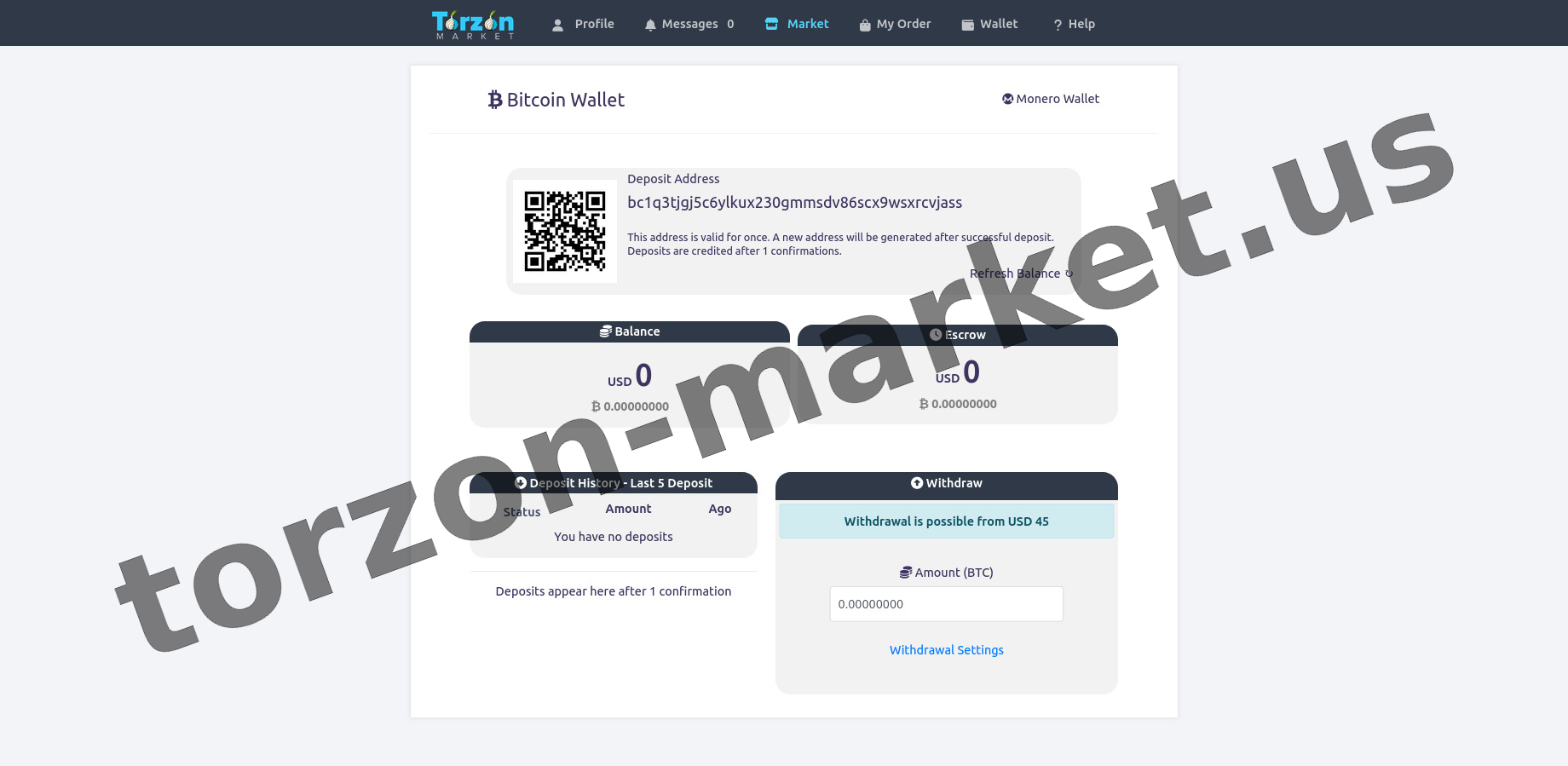
Fig 4. Main Market Dashboard
05. Community & Statistics
The participant base utilizes a reputation propagation system based on cryptographic signatures and persistent identities. Establishing a provider profile requires locking a specific collateral bond, a mechanism implemented strictly to mitigate network congestion and enforce behavioral standards among active entities.
Statistical observation demonstrates highly dynamic scaling, with the platform continuously adjusting node structures to maintain uptime against persistent environmental volatility.
- Node Status: Active
- Bond Req: Enforced
- Traffic Mod: Dynamic